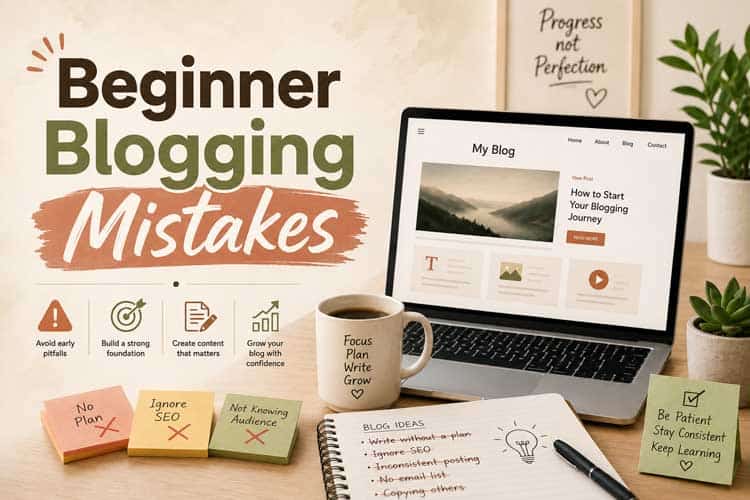
Whether you’re new to blogging or you have been blogging for a while and have realized you need to learn more as to how to implement SEO on your blog to attract more traffic; here are some great tips for SEO writing for beginners.
So many beginning bloggers either have never heard of SEO.. or they are not quite sure how it works. They just start writing blog posts without giving any consideration at all as to how these posts will ever be found on the Internet with nearly 2 billion other websites.
Let’s take a closer look at what SEO is. Then we can discover why it’s so important and how you can use SEO writing to improve your blog. Implementing these tips will help your blog posts appear higher in the SERPs (Search Engine Results Pages).
WHAT IS SEO?
SEO, or search engine optimization, is all about making your posts attractive to the Search Engines such as Google, Yahoo and Bing as well as numerous smaller ones.
When people search for something using one of the Search Engines, most will click on one of the results near the top of the page. Blog posts that are SEO optimized are the ones that will be listed higher up in the search results.
Implementing SEO writing is a free way to attract organic traffic by making your content more visible to potential visitors. Considering most traffic comes from search engines, learning how to write using SEO is very important!
* This post may contain affiliate links. Please read our disclosure for more info.
It doesn’t matter how amazing your blog content is. If people are not aware of it, or no one is able to find it, you are not going to get visitors!
When a site is SEO optimized it is going to rank higher in the search results. This will allow those who are searching to actually find your site.
Although this isn’t going to happen overnight, improving your blog utilizing SEO writing is sure to result in a traffic boost over time. SEO is certainly not a short-term strategy. But, implementing it now means you should start to see positive results a few months down the road.
HOW TO USE SEO WRITING TO MAKE BLOG POSTS SEO FRIENDLY:
One of the most critical factors in SEO writing is keyword research. Before beginning the process of outlining and constructing your SEO-friendly post, you need to research your keywords. This will confirm whether people are searching for what you’re planning to write about.
Keyword research is also important so you can see how many other blog posts you’ll be competing with. Keyword research tools such as KeySearch will give you the information you need to consider.
In KeySearch.. you simply enter your keyword and hit the green search button. On the right it will give you the search volume as well as the keyword difficulty for your keyword.
When starting a new blog.. you need to locate keywords which have low competition with the highest search volume possible. To do this you will want to search long-tail keywords which contain 3 or more words. I normally suggest trying to dig out keywords with a difficulty score below 30.
Yes.. writing content people want to read is important. However.. don’t underestimate the competition from high-authority websites. It can definitely make climbing up the ranks more difficult if you try to target keywords that are out of reach for a new blog.
Just stick with the low-competition keywords in the beginning. As you add more and more posts your blog will begin to gain traction. Then you will be able to start targeting keywords with higher and higher difficulty scores.
If you would like to read an excellent SEO beginners guide you should check out this well written, popular eBook written by Debbie Gartner.
Easy on Page SEO is an excellent book for learning and improving your on site SEO.

Debbie’s book is 139 pages of valuable information:
Easy On Page SEO
. . . . . . . . . . . . . . . . . . . . . . . . . . . . . . . .
NOTE: Before I recommend any books and/or courses
I always purchase them myself. I want to be sure the information is accurate, useful and most importantly
that the product is worth the price being charged.
HOW TO OPTIMIZE A POST WITH KEYWORDS:
Adding keywords to a post doesn’t mean just adding them in to the text randomly or as many times as possible. It’s important to use the correct amount of keywords and also to add them in the most effective places.
You need to add them enough times to effectively optimize your post. However.. you do not want to add them so many times that it disrupts the natural flow of your content.
Repeating keywords too many times, or adding them in where they don’t really seem appropriate is considered “keyword stuffing”. The Search Engines frown on this practice.
Use Keywords in The Following Places:
- URL (permalink)
- Title
- Meta description
- Headings and subheadings
- Throughout the text
HOW LONG SHOULD YOUR BLOG POSTS BE?
This can be a difficult question to answer. On the Internet.. people are searching for answers to their questions and solutions to their problems.
The absolute minimum to aim for in your post is 800 to 1000 words. However, longer and more detailed blog posts may help search engines better determine what the post is about. If you are able to make the post 1500 to 1800 words or more that is even better.
The best posts are those that thoroughly answer the question or problem the person was searching for. Longer posts that go into more depth and provide more detailed answers to the query are much more likely to show up at the top of the results pages.
Make sure you have referenced valuable information rather than adding a lot of fluff just to reach a higher word count.
If you are finding it hard to meet the desired word count, you might want to read a couple of other posts on the subject to see what things other bloggers have included that you have not included in your post.
You can Google your main keyword and read a couple of the posts that are coming up on the first page.
This is NOT to suggest you should copy anything from another website. Just take some notes as to any additional points you may have missed and add these to your post outline. Then go back to your post and see what you can do to rework and improve it.
THE BEST LAYOUT FOR SEO:
Although somewhat long blog posts are a good idea, always make sure your post is reader-friendly by keeping paragraphs reasonably short.
When writing online content, it is best to keep paragraphs to just 2 or 3 sentences. Long paragraphs can be difficult to follow and are off-putting to readers.
Always take your readers into consideration. You want your visitors to enjoy the user experience on your site so they will want to read more of your content and hopefully return often.
Inserting headings is another great way to break up the post and maintain the readers’ interest. A lot of people tend to skim posts, which means glancing through the post until they see something that captures their interest, rather than reading the whole thing from beginning to end.
By making your headings descriptive.. it will make it easier for your readers to zero in on the content they are most interested in reading.
The Title of your post will always be an H1 heading and should be your ONLY H1 heading. You can have multiple H2 headings H3 and so on.. the same way you would use chapters in a novel to break it up. But never use more than one H1 heading in each post!
PROPER WAY TO USE LINKS IN SEO WRITING:
Internal links are those linking to other posts within your own blog. Internal linking is important as not only will it encourage visitors to visit other pages on your site.. it will also help the search engines understand your blog’s structure in more depth. This will allow them to prioritize and rank your content more effectively.
When writing a new post.. always link to other relevant posts. Alternatively, you could have a “related links” section at the end of the post and list any other posts on your site where the reader can find more information on the current topic.
Always remember to go back to older posts that contain content which may be relevant and link those posts to your newest post.
Outbound links are those linking from your site to other websites. The point of these is to let search engines know you’re giving credit to another website without getting anything in return.
Let’s imagine that during your research you came across some fascinating information on another website.. and that you would like to share this information with your readers.
You need to reference your source and link to the page on the other site where you found this information. This helps build trust in your website.
NOTE: Always try to find these “pearls of wisdom” on a high authority site. Linking out to high-authority sites increases the credibility of your site and is good for your SEO.
You don’t necessarily want this type of link in every blog post.. but an occasional link from one of your posts to a high-authority site will definitely have a positive effect on your SEO.
Sponsored links are those links that link out to an affiliate product or any other instance where you may be compensated. It’s important to label these properly to stay in Google’s good graces.
Backlinks are those where another website is linking to your site. These are extremely important because they tell the search engines how other high-authority websites view your website.
Backlinks indicate to the search engines that your website is a trusted and respected resource by others in the same industry.
To learn more about building backlinks.. read our post:
* How to Build Backlinks for SEO
SITE SPEED AND HOW IT AFFECTS YOUR SEO:
Always monitor your site speed as this can also have an effect on your SEO. Google prioritizes user experience above all else. If your site loads slowly.. this is definitely NOT a good user experience.
What happens when you go to a website and it loads too slowly? To quote Shania Twain: “That Don’t Impress Me Much”. Well.. it doesn’t impress Google all that much either and they will rank your site lower as a result.
Some of The Things That Can Affect Your Site Speed Are:
- Your web host
- Your blog theme
- Website builders
- Excess code
- Too many plugins
- JetPack plugin
- Image file size
A good hosting provider can mean the difference between a sluggish website and one that loads quickly.
If you are starting a blog in the hopes of earning some money from it.. don’t pick the cheapest hosting you can find. These web hosts are cheap for a reason!
In most cases, their servers are outdated and overloaded.. resulting in slower load times, frequent outages, downtime, and more.
Your site will not be successful if you don’t have a fast and reliable web hosting provider. And.. you will have no chance of a #1 ranking in Google if your website is not fast!
To find a reliable web hosting provider.. read our post:
* Best Web Hosting Services
Bloated themes with a lot of extra code will slow your site. Make sure you are using one of the top blog themes that have been specifically optimized for speed.
To find a selection of popular WordPress themes.. read our post:
* Best WordPress Themes
Website builders are resource hogs and will slow your site. It takes a lot of extra code to make the website builders work the way they do. All that excess code will slow your site considerably.
Keep your plugins to a minimum. Any time you get lazy and expect a plugin or a website builder or any other tool to do your work for you.. you pay for that convenience! The way you will pay is in the speed, usability and profitability of your site.
A couple of useful plugins are Yoast and Hubbub. Yoast can help with SEO until you become proficient at SEO on your own. The plugin will remind you to add your keyword(s) in your post Title and Description. It will also keep track of the word count of the post.. as well as how many times your keyword appears.
However, there is absolutely NO substitute for learning how to do SEO writing yourself. Every successful blogger needs to have a good solid understanding of SEO. Do NOT rely on a plugin to do all the work for you!
Hubbub is another helpful plugin. This plugin provides social share buttons for bloggers using WordPress.
JetPack thinks it is ALL things to ALL people. It is a resource hog! if you have it.. delete it!
IN CONCLUSION:
If you want your website or blog to be successful, it’s well worth learning SEO. Many of the improvements you can make to your existing content and future content are quick and easy.
The world of SEO is always growing and evolving so it’s also a good idea to keep up to date with SEO trends and changes.
In the meantime, there is plenty you can learn and implement to help get your website or blog to the coveted first page in Google and other search engines.
Focus on putting your audience first and writing in a way that will appeal to your visitors. Make them want to read your content and further explore your website.
Use what you have learned in this post, SEO Writing for Beginners, to make your content as attractive to the search engines as it is to your readers.

About the Author: Sherry Bennett
Ms. Bennett is a Professional Blogger, who has been earning a living online with niche websites for 25+ years.
Through hard work and dedication, she has turned her passion for blogging into a 7-figure business.. and you can do the same.
Read More
* If you are a new blogger just starting your blogging adventure
learn how to start your blog the right way from the beginning:
Blogging Step-by-Step
Have more questions? Need some answers?
Come join the conversation in my Facebook Group:
Become a Blogger – Start a Blog – Make Money Blogging